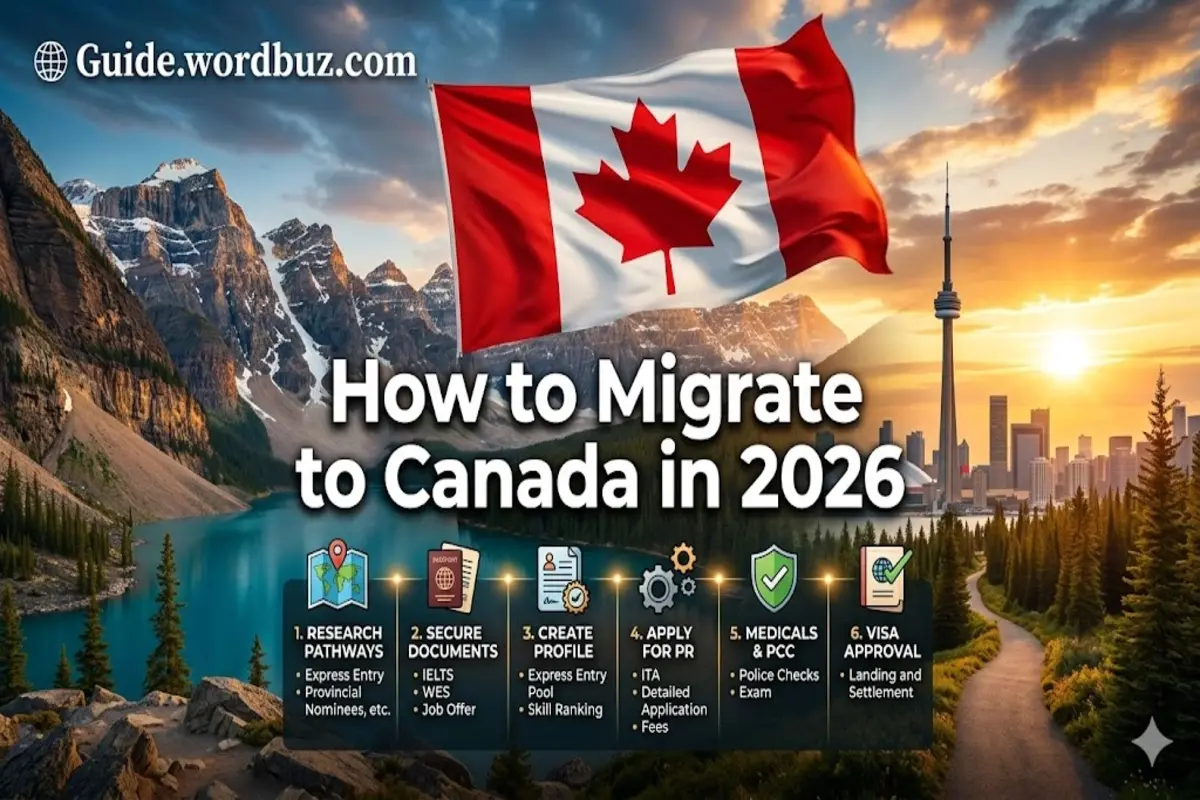
Introduction
Are you interested in going to Canada to secure your upcoming future? Canada has long been a beacon for those seeking new beginnings. Known for its vast landscapes, vibrant cities, and multicultural communities, this North American gem offers countless opportunities. Whether you’re drawn by the promise of career advancement or the allure of an inclusive society, migrating to Canada can be a life-changing decision.
Imagine waking up to stunning views of the Rockies or enjoying a lively arts scene in Toronto. From breathtaking natural wonders to thriving job markets, Canada is more than just a destination; it’s an experience waiting to unfold. As we look ahead to 2026, many are already planning their journey toward making Canada their new home.
This guide will walk you through everything you need to know about how to migrate to Canada smoothly and successfully no matter your situation. Buckle up as we explore exciting benefits and navigate the complexities of immigration!
Benefits of immigrating to Canada
Canada offers a high quality of life that attracts individuals from around the globe. With its stunning landscapes and vibrant cities, it’s not just about finding a new home; it’s about embracing beauty.
Education is another standout feature. Canadian schools are among the best in the world, providing excellent opportunities for children and adults alike.
Healthcare is publicly funded, ensuring residents have access to essential medical services without financial burden. This promotes peace of mind for families settling into their new lives.
The multicultural environment fosters inclusivity and acceptance. Canada celebrates diversity, allowing newcomers to maintain their cultural identities while integrating smoothly into society.
Economic stability adds an extra layer of appeal. Job opportunities abound across various sectors, making it easier for immigrants to find fulfilling work that aligns with their skills and passions.
Understanding the Canadian immigration system
Canada’s immigration system is designed to be inclusive and welcoming. It’s structured to accommodate various needs, whether you’re looking for work, family reunification, or seeking refuge.
At the core are several pathways: Express Entry, Provincial Nominee Programs (PNP), and family sponsorships. Each has distinct eligibility criteria tailored for different applicants.
Express Entry is a point-based system prioritizing skills and experience. PNP allows provinces to select individuals who meet their specific labor market needs. Family sponsorship connects Canadians with their loved ones abroad.
Understanding these options can feel overwhelming at first. However, each pathway serves a unique purpose in enriching Canada’s multicultural fabric.
Staying informed about updates in policies is essential as immigration rules may change frequently. Engaging with online communities can also provide practical insights from those who have successfully navigated this journey before you.
Steps to take before applying for immigration
Before you dive into the immigration process, it’s essential to gather information about Canada. Research its culture, climate, and job market. Understanding what life is like in Canada will help you adjust more easily once you arrive.
Next, assess your eligibility for different immigration programs. Visit the official Canadian government websites to find out which pathways suit your skills and background best.
Consider improving your language proficiency in English or French. Strong communication skills can enhance your chances of success in both job applications and settling into society.
Networking is also crucial. Connect with people already living in Canada through social media groups or forums. They can provide valuable insights and tips based on their experiences.
Evaluate your finances before applying. Ensure that you have enough savings to support yourself during the transition period as you’re getting settled in a new country.
Documents and requirements needed for immigration
When planning to migrate to Canada, gathering the right documents is crucial. The first step is a valid passport. Ensure it has at least six months of validity beyond your planned entry date.
Next, you’ll need proof of funds. This shows you can support yourself and any dependents upon arrival. Bank statements or pay stubs are commonly accepted.
Language proficiency tests also play a vital role in your application process. Depending on your visa category, tests like IELTS or CELPIP may be required for English speakers, while TEF is for French candidates.
Educational credentials must be assessed by designated organizations to meet Canadian standards. Be prepared with transcripts and diplomas from institutions you’ve attended.
Medical exams are necessary for all applicants, ensuring that health requirements are met before moving forward with immigration processes.
Choosing the right visa program for your situation
Choosing the right visa program is crucial for a successful move. Canada offers various pathways tailored to different needs. Each program has its own criteria, so understanding these will save you time and effort.
If you’re skilled in a specific profession, consider the Express Entry system. It’s designed for those with qualifications that match Canadian job demands.
For families looking to reunite, family sponsorship can be an excellent choice. This route allows citizens and permanent residents to bring loved ones into Canada.
Students have options too! The study permit not only lets you pursue education but also opens doors for post-graduation work opportunities.
Research thoroughly before making your decision. Assess your skills, background, and future goals carefully to ensure you select the best fit for your circumstances.
Navigating the application process successfully
Navigating the application process for Canadian immigration can feel overwhelming. Start by understanding each step clearly. Familiarize yourself with the requirements of your chosen visa program.
Organization is key. Create a checklist of documents needed, such as identification, educational credentials, and work experience letters. This will help you stay on track.
Pay close attention to deadlines. Timely submissions are crucial for keeping your application moving smoothly through the system.
Consider consulting an immigration consultant or lawyer if you find certain aspects confusing. Their expertise can provide valuable guidance.
Stay updated on any changes in immigration policies that might affect your application. The landscape can shift, so being informed is essential.
Once you’ve submitted your application, keep communication lines open with Immigration Canada. Respond promptly to any requests for additional information to avoid delays in processing times.
Tips for settling into Canadian society
Embracing Canadian culture begins with learning a few local customs. Canadians are known for their politeness and friendliness. A simple “sorry” can go a long way in conversations.
Getting involved in your community is essential. Join local clubs or volunteer organizations to meet new people and make friends. This also helps you understand the diverse cultures that thrive here.
Enhancing your language skills will ease communication barriers. Consider enrolling in English or French classes, depending on where you settle.
Explore Canada’s stunning landscapes and urban attractions too! Familiarizing yourself with various regions can provide a deeper appreciation of what this country has to offer.
Keep an open mind. Adapting to a new society takes time, but every small step contributes to feeling at home in Canada.
Challenges and obstacles to be aware of
Migrating to Canada can be an exciting journey, but it’s not without its challenges. Understanding these obstacles is crucial for a smooth transition.
One significant hurdle is the lengthy processing times of immigration applications. Applicants often face uncertainty as they await responses, which can lead to frustration and anxiety.
Another challenge lies in meeting the language requirements. Proficiency in English or French is essential for most visa categories, and lacking skills in either language may hinder your chances of approval.
Cultural differences also play a role. Adapting to Canadian customs and social norms takes time and effort. It’s important to stay open-minded while navigating this new environment.
Securing employment can be difficult. Many newcomers struggle with recognition of foreign qualifications or experience, making job hunting more challenging than anticipated.
Conclusion: The rewards of making Canada your new home
Making the decision to migrate to Canada can be a life-changing experience. The rewards of choosing this vibrant country are numerous. Canada offers a high quality of life, stunning landscapes, and cultural diversity that enriches everyday experiences.
As you settle into your new home, you’ll discover friendly communities and endless opportunities for personal and professional growth. With its robust economy and progressive policies, Canada supports newcomers in achieving their goals.
Embracing Canadian culture will allow you to connect with locals while also finding comfort among fellow immigrants who share similar journeys. Whether it’s exploring the scenic beauty of national parks or enjoying multicultural festivals, every day can bring something new.
The path may have challenges along the way, but the potential for a fulfilling life in Canada is immense. As you adapt to your new environment, you’ll find that hard work pays off beautifully in this welcoming land.
Canada is not just a destination; it’s an opportunity for transformation and adventure. Embrace it fully as you build a future filled with promise.