Imagine stepping foot in a charming café in Paris, wandering through the romantic canals of Venice, or exploring the historic streets of Prague. With a Schengen visa for Europe, these amazing experiences are within your reach. The Schengen area comprises 26 European countries that have abolished passport and other types of border control at their mutual borders. Whether you dream of soaking up sun on the Mediterranean coast or immersing yourself in vibrant city life, this visa opens doors to unforgettable adventures across Europe.
However, navigating the application process can be daunting if you’re not prepared. Understanding what a Schengen visa entails and how to secure one is essential for any traveler looking to explore multiple countries with ease. Let’s dive deeper into everything you need to know about obtaining a Europe Schengen visa and making your travel dreams come true.
What is a Schengen visa?
A Schengen visa is a short-stay visa that allows travelers to visit 26 European countries with a single document. It eliminates the need for multiple visas when journeying through this diverse region.
The Schengen area includes popular destinations such as Germany, France, Italy, and Spain. With this visa, you can travel freely among these countries without undergoing passport checks at each border.
This type of visa typically permits stays of up to 90 days within a 180-day period. It’s perfect for tourists eager to explore several nations in one trip or business travelers attending meetings across borders.
It’s important to note that while the Schengen visa simplifies travel within member states, it does not apply to all EU countries. Countries like Ireland have their own immigration policies and require separate entry requirements.
Also Check:
Benefits of having a Schengen visa
A Schengen visa opens doors to a world of travel freedom. With it, you can visit 26 European countries without undergoing multiple border checks. This seamless mobility allows for an enriching experience as you explore diverse cultures and landscapes.
Traveling between these nations becomes effortless, whether you’re hopping from Paris to Berlin or lounging on the beaches of Spain. The visa encourages spontaneous trips, making weekend getaways a breeze.
Moreover, having a Schengen visa enhances your travel credibility. It signals that you’ve met specific requirements, which can facilitate future applications in other countries.
In terms of time efficiency, applying for one visa saves you the hassle of dealing with myriad paperwork for each destination within the zone. Whether you’re traveling for leisure or business, this ease is invaluable when planning your itinerary across Europe.
Eligibility and requirements for a Schengen visa
To apply for a Europe Schengen visa, certain eligibility criteria must be met. First, you need to have a valid passport with at least three months of validity beyond your planned departure date from the Schengen area.
Next, it’s important to specify the purpose of your visit. Whether it’s tourism, business, or family visits, each category may require different documentation.
You must demonstrate sufficient financial means to support yourself during your stay. This can include bank statements or proof of employment.
Health insurance is also crucial; it should cover medical expenses up to €30,000 within the Schengen zone.
Ensure that you provide clear evidence of accommodation arrangements and travel itinerary details. Meeting these requirements sets a solid foundation for your application process.
The application process for a Schengen visa:
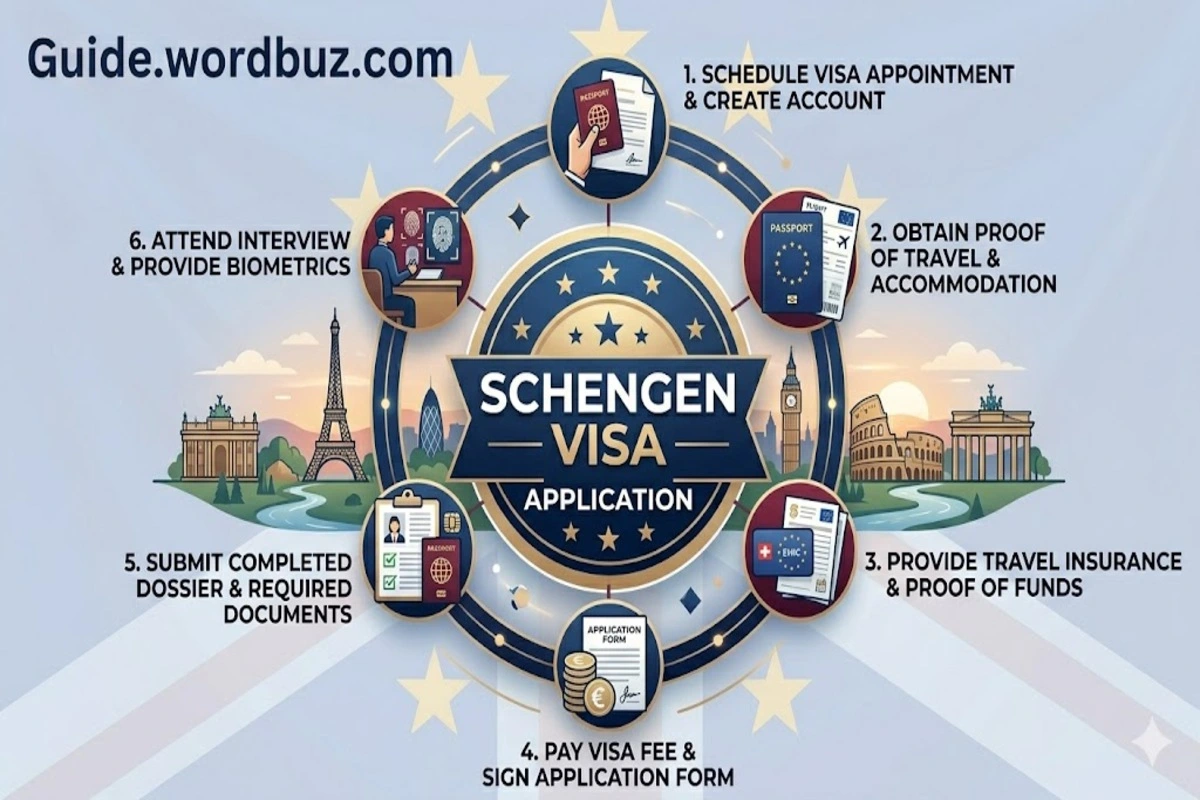
Applying for a Schengen visa to Europe requires careful preparation. Start by determining the type of visa you need: short-stay, transit, or long-stay.
Gather your documents early. You’ll need a valid passport, travel insurance, proof of accommodation, and financial statements to demonstrate your ability to support yourself during your stay.
Next, fill out the application form accurately. Any discrepancies can lead to delays or rejections. Schedule an appointment at the consulate or embassy of the country you plan to visit.
During your interview, be prepared for questions about your travel plans and purpose. It’s essential to present confidence and clarity regarding your itinerary.
After submitting everything, monitoring processing times is crucial. Depending on peak seasons, it may take several weeks before you receive feedback on your application status.
Tips for a successful Schengen visa application
Start your Schengen visa application by gathering all necessary documents. Ensure you have a valid passport, recent photographs, and proof of travel arrangements.
Double-check the specific requirements for the country you’re visiting. Each nation may have slight variations in their process.
Fill out the application form accurately. Mistakes can lead to delays or rejections, so take your time with this step.
Consider scheduling an appointment well in advance. Visa processing times vary, especially during peak seasons.
Show strong ties to your home country through employment letters or property ownership. This helps demonstrate that you plan to return after your visit.
Practice for any potential interviews at the consulate. Being prepared will boost your confidence and improve your chances of approval.
You My Be Interested In:
Common mistakes to avoid when applying for a Schengen visa
One common mistake applicants make is submitting incomplete forms. Every section must be filled out accurately. Double-check your answers to prevent delays.
Another frequent error lies in not providing sufficient documentation. Ensure you include all required documents, such as travel insurance and proof of accommodation. Missing paperwork can lead to immediate rejections.
Many forget to pay attention to the visa type needed for their trip. Different purposes require different visas, so research accordingly before applying.
Some people neglect the processing time, assuming it’s quick and easy. Always apply well in advance of your planned travel dates to avoid last-minute stress.
Failing to prepare for the interview can hinder your chances. Practice answering potential questions clearly and confidently; this will leave a positive impression on officials reviewing your application.
Conclusion
Applying for a Europe Schengen visa can be a straightforward process if you understand the steps involved. With its numerous benefits, including travel flexibility and access to multiple countries, obtaining this visa opens up a world of opportunities. By ensuring you meet eligibility requirements and preparing your application meticulously, you’ll increase your chances of approval.
Remember to pay attention to detail during the application process. Avoiding common pitfalls will set you on the right path toward securing your travel plans across Europe. Whether you’re planning a short holiday or an extended stay, being informed makes all the difference.
With careful preparation and knowledge at hand, you’re well on your way to exploring some of the most beautiful destinations in Europe with ease and confidence. Safe travels await those who embark on this adventure!
1 thought on “Applying for a European Schengen visa – Migration and Home Affairs”