
If you’re searching for a marriage or family visa in the USA, the first thing to know is simple: there isn’t one visa with that exact name. People usually mean a spouse visa, a marriage-based green card, or another family-sponsored route.
The right path depends on your relationship, where the family member lives, and whether the case starts inside or outside the United States. Once you sort out those basics, the process feels much less confusing.
The main paths people use to reunite in the United States
Family-based immigration falls into two broad groups. One leads to permanent residence, often called a green card. The other is temporary and is less common for close family cases.
Spouse visas and marriage-based green cards
When people talk about a marriage and spouse visa, they often mean one of these paths:
| Option | Best known use | Key point |
| K-3 | Spouse of a U.S. citizen abroad | Temporary visa, used less often today |
| CR1 | Spouse of a U.S. citizen, marriage under 2 years | Enters as a conditional resident |
| IR1 | Spouse of a U.S. citizen, marriage 2 years or more | Enters as a permanent resident |
| Adjustment of status | Eligible spouse already in the U.S. | Applies for a green card without leaving |
The sponsor matters. A U.S. citizen has more options than a lawful permanent resident. For example, the K-3 route is tied to marriage to a U.S. citizen. A green card holder can sponsor a spouse, but the case follows a different immigrant category and may take longer.

Most couples use an immigrant spouse visa or adjustment of status. In plain terms, CR1 and IR1 are for spouses who will become residents through the visa process. Adjustment of status is for people who are already in the United States and qualify to apply there.
Family-sponsored visas for children, parents, and other relatives
Spouses are only one part of the system. U.S. citizens can also sponsor unmarried children under 21, parents, and in some cases adult children and siblings. Green card holders can sponsor spouse and unmarried children, but they can’t sponsor parents or siblings.
The law also splits relatives into two groups. Immediate relatives of U.S. citizens, such as spouses, parents, and unmarried children under 21, don’t face annual visa caps in the same way other categories do. Preference categories do have yearly limits, so waits can be much longer.

That difference matters because two families can file similar paperwork and still face very different timelines.
Also check:
UK Skilled Worker Visa: Full Guide to Eligibility, Application & Approval
From start to finish: How the process works
The steps change a bit by visa type and location, but the overall path is fairly consistent. First comes the family petition. Then comes document review, medical checks, and an interview, either abroad or in the United States.
Filing the petition and proving the relationship is real
Most family cases start with Form I-130, Petition for Alien Relative. This form tells the government who the sponsor is and what family relationship is claimed.
Paperwork alone isn’t enough. You also need evidence that the marriage or family tie is real. For a spouse case, that often includes wedding photos, travel records, messages, shared bills, bank statements, lease papers, birth certificates of children, and other records that show real life together. For parent or child cases, civil records usually carry more weight.
Honesty matters at every step. If forms, dates, and interviews don’t match, officers may ask for more proof or doubt the case.
Strong evidence is usually ordinary evidence, daily records, shared plans, and consistent facts.
Going through the visa interview, medical exam, and background checks
After approval of the petition, many cases move to the next stage with the State Department or with USCIS, depending on where the applicant is. Applicants outside the United States usually work through a U.S. embassy or consulate. Applicants inside the country may complete their case through adjustment of status.
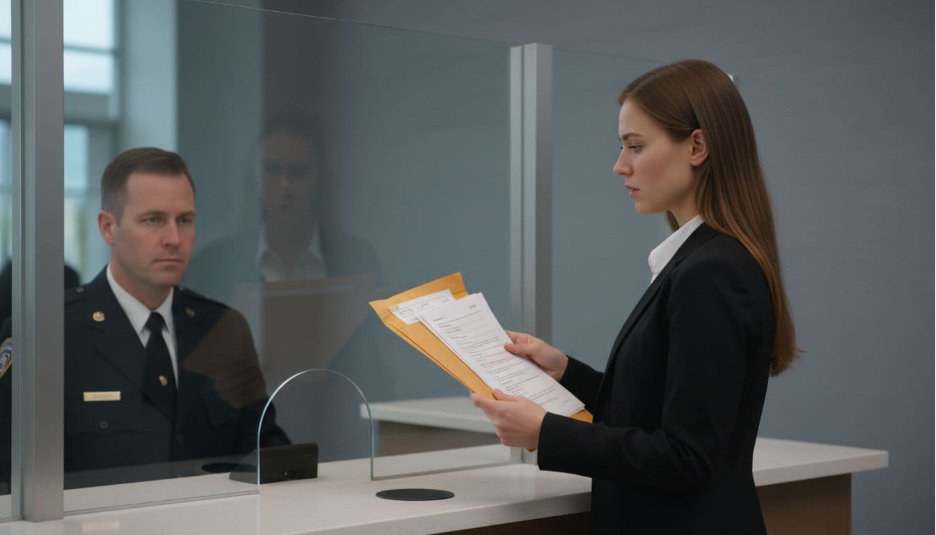
Expect a medical exam from an approved doctor, police certificates in many consular cases, fingerprint checks, and an interview. The officer may ask simple questions about the relationship, past travel, prior marriages, or basic family history. Some applicants also get requests for extra documents. That doesn’t always mean trouble, but it can add time.
Also check:
Australia PR in 6 Months? Here’s the Exact Process Nobody Tells You
Costs, timelines, and common mistakes that slow cases down
This is the part most families care about most. How much will it cost, and how long will it take? The honest answer is that both can change.
What to expect for fees, waiting times, and travel limits
A family case often includes more than one expense. There may be filing fees, visa-processing fees, a medical exam, document translation costs, passport renewals, and travel to the interview. If you hire a lawyer, that adds another layer of cost.
Wait times depend on the visa type, the sponsor’s status, the country involved, and current case load. Immediate relative cases often move faster than preference cases, but backlogs can still be long. Current fees and processing tools are on USCIS and travel.state.gov
Travel can also get tricky. Some people applying inside the United States shouldn’t leave the country before they receive proper travel permission. Others applying abroad must remain outside the United States until the visa is issued.
Mistakes that can hurt a marriage or family case
A few errors cause problems again and again:
- Missing records or weak proof of the relationship
- Using old forms or sending them to the wrong place
- Giving different answers on forms, at the interview, and in supporting papers
- Letting passports, police certificates, or civil documents expire
- Hiding prior marriages, visa refusals, arrests, or immigration problems
- Using fake documents or staged relationship evidence
Fraud concerns are serious. If the case looks unclear or dishonest, the result can be long delays, requests for more proof, or denial.
Where to find official help and trusted next steps
Good information saves time. Bad information can cost months.
Official websites every applicant should check first
Start with USCIS for forms, filing instructions, and many processing updates. Then check travel.state.gov for consular processing, visa fees, and interview guidance. If the applicant is outside the United States, also review the local U.S. embassy or consulate website for country-based rules and appointment details.
Rules, forms, and fees can change. Always confirm details on official sites before you file.
Also check:
Online Typing Jobs In Pakistan: Get Paid To Type
Conclusion
The path to a U.S. marriage or family visa is real and often manageable, but the right route depends on the relationship, the sponsor’s status, and where the applicant is living when the case starts.
The strongest move is also the simplest one: use official sources, prepare clear evidence, and keep every document consistent. Careful work at the start often saves the most time later.